
Wonder where Pesticide Regulations are headed in California?
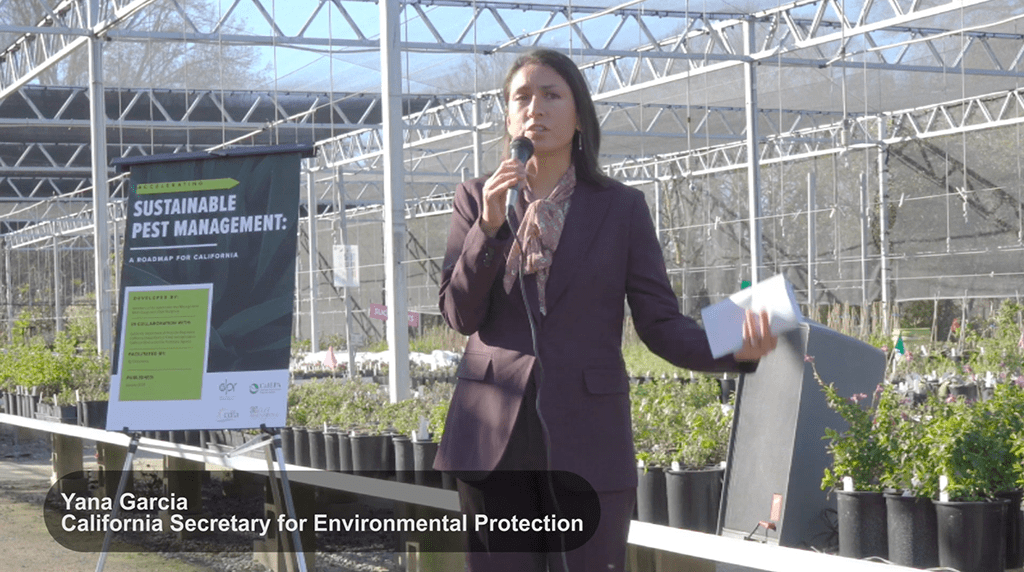
Start by reading the Sustainable Pest Management Roadmap and DPR Strategic Plan. And make sure you renew your CAPCA membership because CAPCA is working tirelessly to make sure that the PCA is at the center of the discussion and solution to keep your career pathway moving forward.
Statewide Notification
AKA Spray Days is the new DPR program that launches on February 24, 2025, requiring all restricted material applications to be submitted at least 24 hours in advance of application and 48 hours in advance for fumigant materials. The regulations require compliance to start on February 24th, but DPR has up till March 26th to make Spray Days data available to the public.
What does this mean to me?
If you are a PCA in California recommending a restricted use material that requires a Notice of Intent, your timing between NOI and application may have changed depending on your current county conditions.
DPR has created a SprayDays Information Sheet for Growers and Pesticide Applicators to help address common question and concerns
Do I need to submit my NOI differently?
This regulation change requires electronic submission of your NOI to the county to meet the timing requirements above for Statewide Notification. If you are having issues submitting electronically, see Help My Internet is Down below for more information on conditions to submit a paper NOI.
Please note if you are already using a third party compliance system that submits your recommendation to CalAg Permits, you need to take no further action on submission, only note the updated submission window which may have changed depending on your county conditions.
For more information on Third Party Compliance Software tips see Compliance Software Tips
You can see the full updated text of regulations at:
https://www.cdpr.ca.gov/docs/legbills/rulepkgs/23-003/dpr_23-003_oal_final_text_notification_revised.pdf
What has changed?
From an application perspective, two uniform notification windows have been applied statewide for both restricted materials and fumigants – 24 hours for Restricted Materials and 48 hours for Fumigants.
All NOIs once approved (once NOI is submitted, regardless of approved by CAC or not is live-“intended applications” will be in the system. This includes any NOI in error or deleted) by County Ag Commissioner will be made publicly available on Spray Days to interested parties in a 1 mile block radius (base line, meridian, township, range, and section, not a standard GIS measurement) based on the address they enter into the system. At this time, there is not broad public access to all NOIs.
What is the same?
Help, I need to apply now!
Contact your Ag Commissioner directly. Local discretion stayed intact with this regulation change, your County Ag Commissioner can exercise distention to waive the 24 or 48 hour notification under special circumstances if the application safety is at risk based on timing factors like weather. If you don’t know how to contact your Ag Commissioner visit the statewide association website at: County Info | CACASA and click on the permit county.
Help, my internet is down. What are my options to file a paper NOI?
See CCR 6434 (e) “undue hardship”. CAC has discretion to accept paper NOI, but note that the NOI’s will need to be received by the CAC earlier to provide time for CAC to enter that NOI digitally.
To see/search the full text of the final regulation text visit:
https://www.cdpr.ca.gov/docs/legbills/rulepkgs/23-003/dpr_23-003_oal_final_text_notification_revised.pdf
Help, someone is trespassing on my property during an application – what do I do?
Contact your local law enforcement and ag commissioner. This has been an ongoing concern expressed by Agriculture during the process of developing these regulations – in addition, have your trespassing documented by your preferred commodity group or statewide representative – we want to know how often this is happening to document with decision makers the reality of our concerns.
More Information:
Visit DPR’s newly published, official SprayDays webpage: https://spraydays.cdpr.ca.gov
Compliance Software:
- Telus/Agrian: Statewide Notification brief for CAPCA.pdf
- Insert Ag World: CAPCA – Agworld 1-pager.pdf
In December 2024, the County Ag Commissioners posed several questions to the Department of Pesticide Regulation. The feedback to these questions can be found here.
To learn more about the new regulations and system visit: https://www.cdpr.ca.gov/docs/pesticide_notification_network/
Wondering how to explain Statewide Notification to your neighbors or friends? You can find more information to help inform the public at: https://notificationsexplained.com/
Rats in the Valley
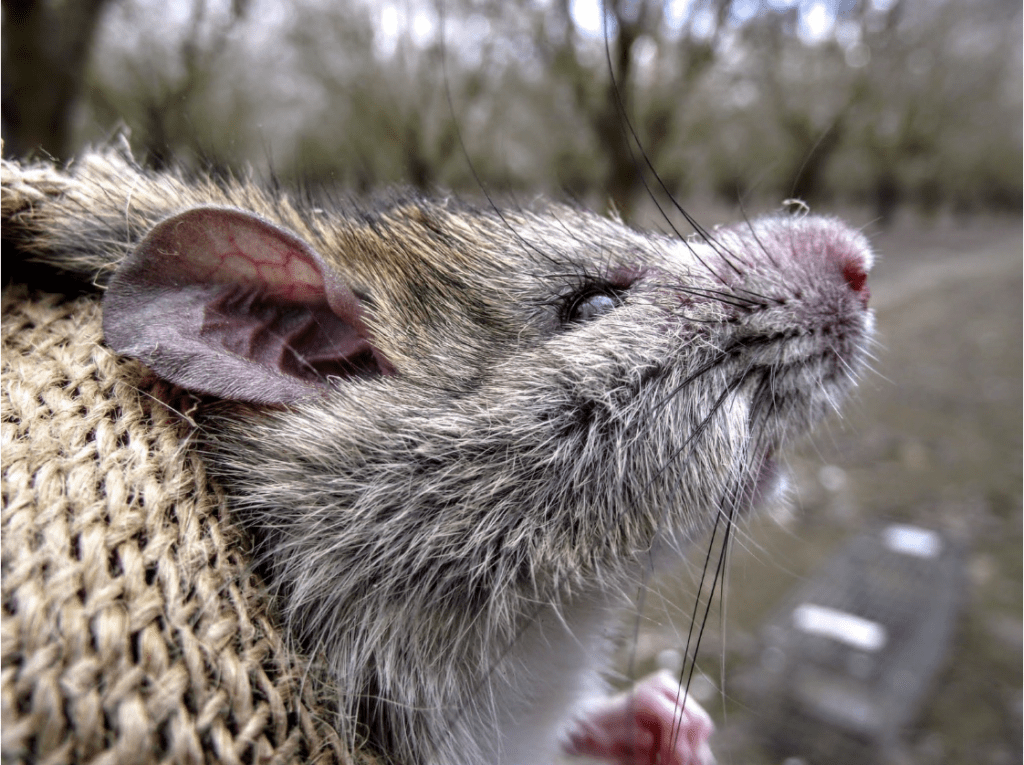
TAKE THE RODENT PESTS RESOURCES SURVEY
Rat Infestation Impact & Resources – Protecting Crops and Infrastructure with Strategic Solutions
Key Resources (on this page):
- Rodent Pests Resources Survey: Quantifying rat damage and economic impact
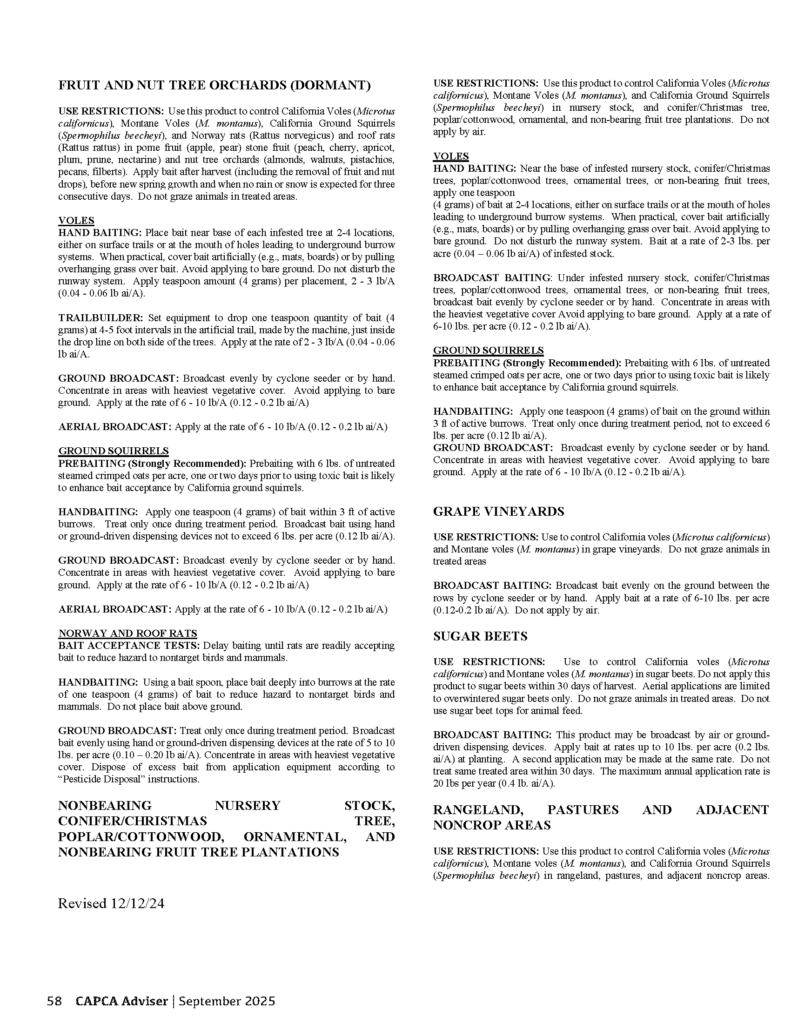
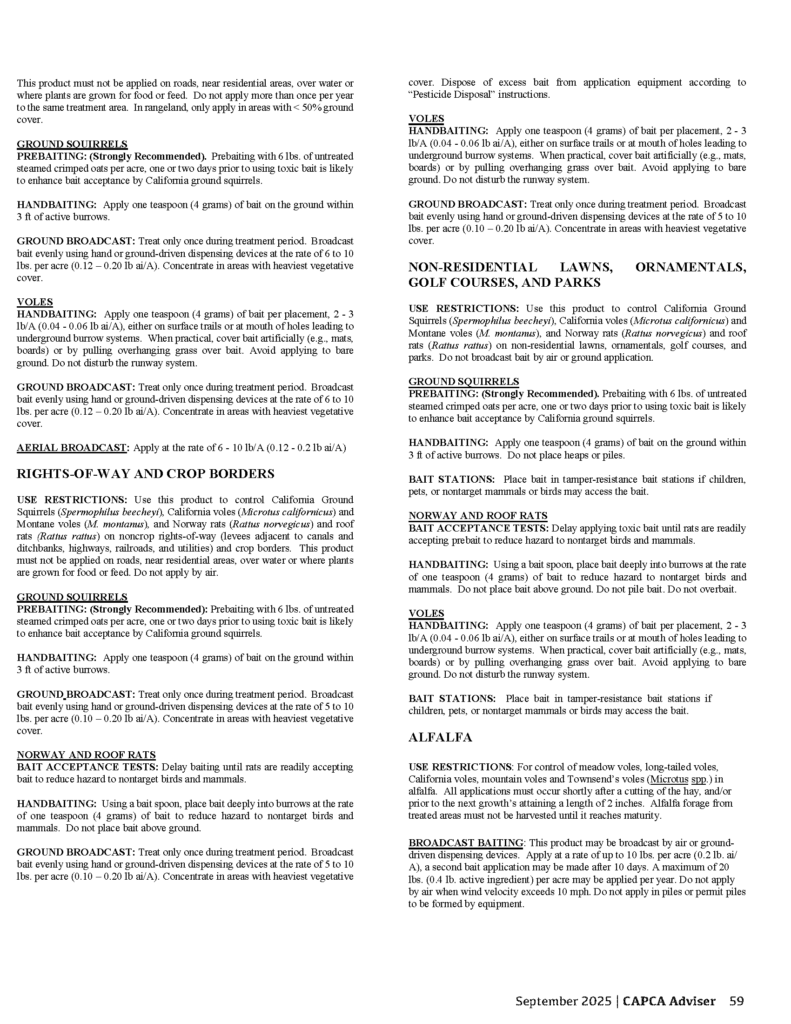
- Revised CDFA Label for Zinc Phosphide Treated Grain (2.0%)
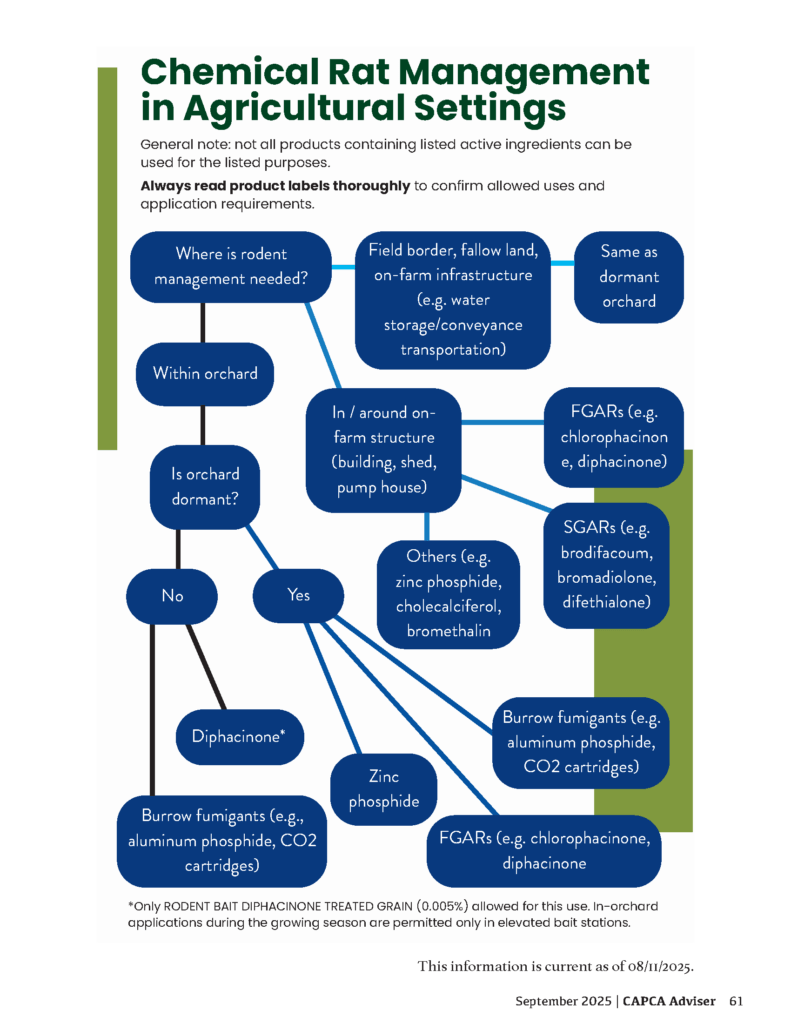
- CDFA OPCA Infographic: Chemical Rat Management in Agricultural Settings
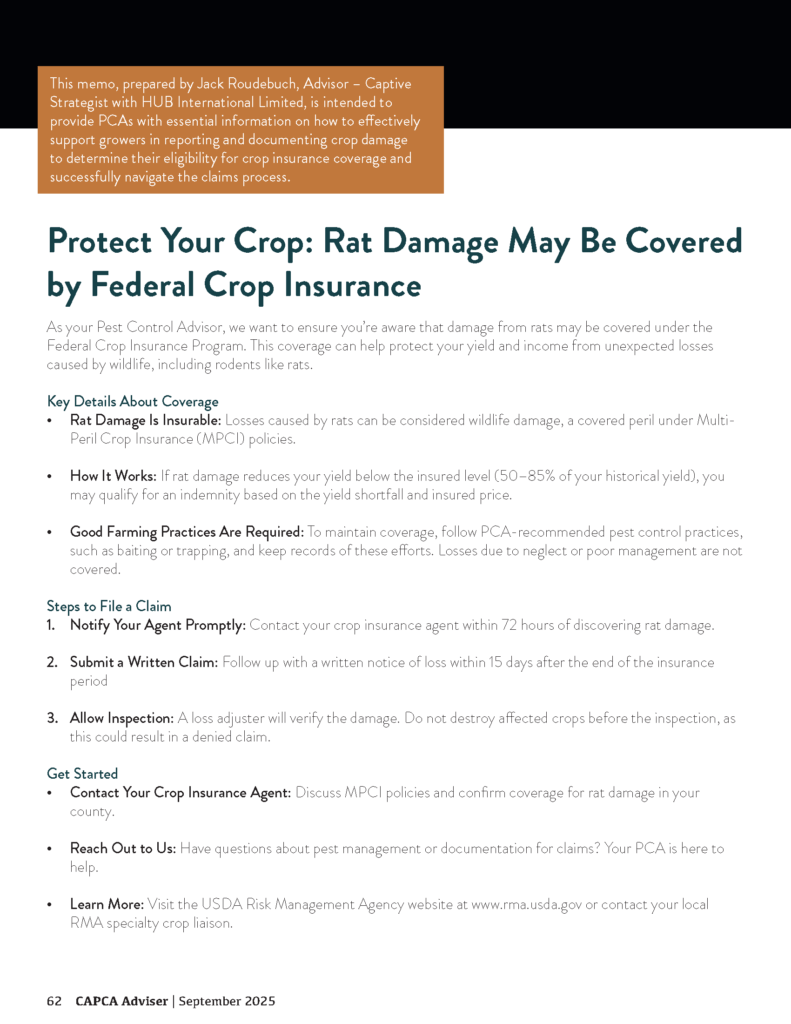
- Memo: Crop insurance reporting and eligibility guidance
Rat infestations have caused significant damage to irrigation systems, trees, field equipment, wiring, and critical infrastructure across agricultural operations. In response, since the fall of 2024, CAPCA has been actively engaged in working to identify solutions and support for the rat infestations scattered across the Central Valley.
Through partnerships with Western Growers and the Almond Board of California, CAPCA has developed a comprehensive survey to accurately measure the scale and economic impact of rat-related losses. Your voice is vital. Take action today by completing the Rodent Pests Resources Survey, linked on this page, to share your experiences and help strengthen the case for updated pest management resources.
The Vertebrate Pest Control Research Program has revised the CDFA label, Zinc Phosphide Treated Grain (2.0%). Refer to the updated label on this page.
Additionally, the Office of Pesticide Consultation and Analysis has created an infographic to show which chemical options are allowed for rat control in various orchard and agricultural settings. See that infographic below.
For guidance on reporting procedures and insurance coverage eligibility, refer to the memo from Jack Roudebush, Advisor – Captive Strategist at HUB International Limited, available on this page.
CAPCA remains committed to bridging the gap between growers and industry leaders by disseminating vital knowledge and fostering collaborative solutions.
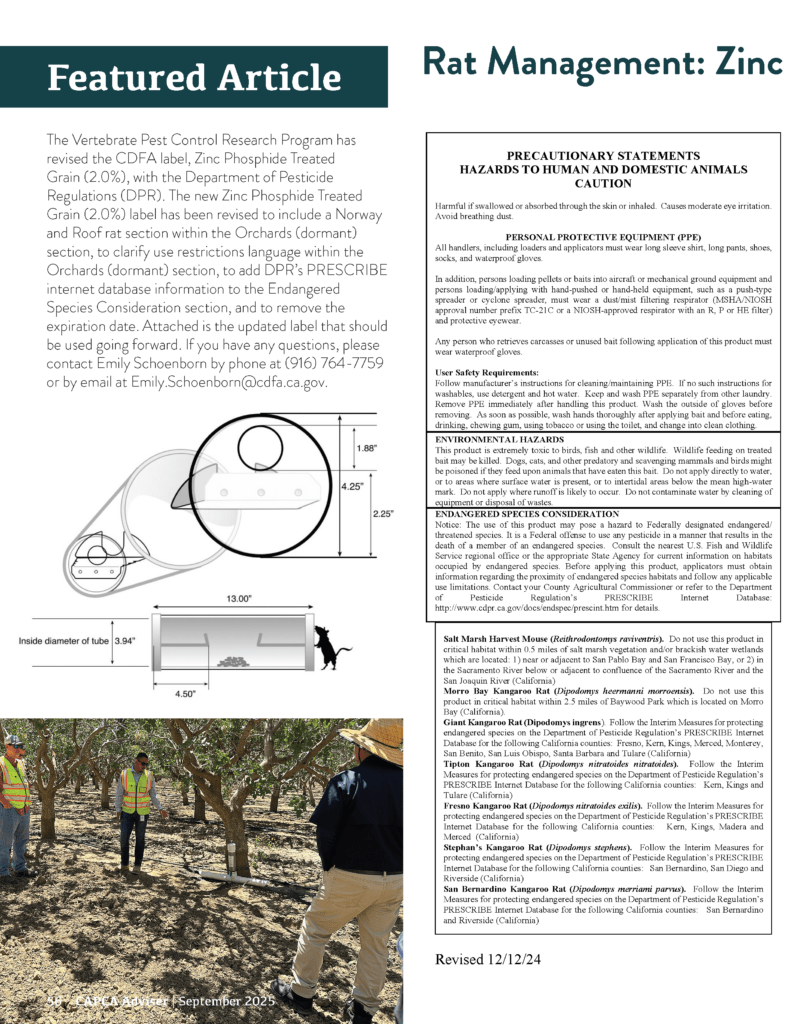


ADDITIONAL RESOURCES
Given that this infestation has reached a level beyond maintenance and requires an area wide coordinated approach to address the issue, we have worked with UC along with various commodity groups to provide the most up-to-date information for PCAs to access.
- See multiple CAPCA Adviser Articles, including the resources on this page, starting on p. 51
- See additional CAPCA Adviser Article on p. 66
- CAPCA worked with growers to provide OPCA vital details to deliver an economic impact memo on this evolving issue: CDFA Memo: Rat Damage in Almond Orchards
- Fresh Bait Available in key Counties – Visit CAC Fresh Bait summary
- Prior guidance from UC: Managing Roof Rats and Deer Mice in Nut and Fruit Orchards can be found here.
Do you want to sign up to be part of the solution and be on a list of applicators available for Counties to reference when growers are in need of application services? Click here to join the list.